DevReal is live: the graph behind developer culture


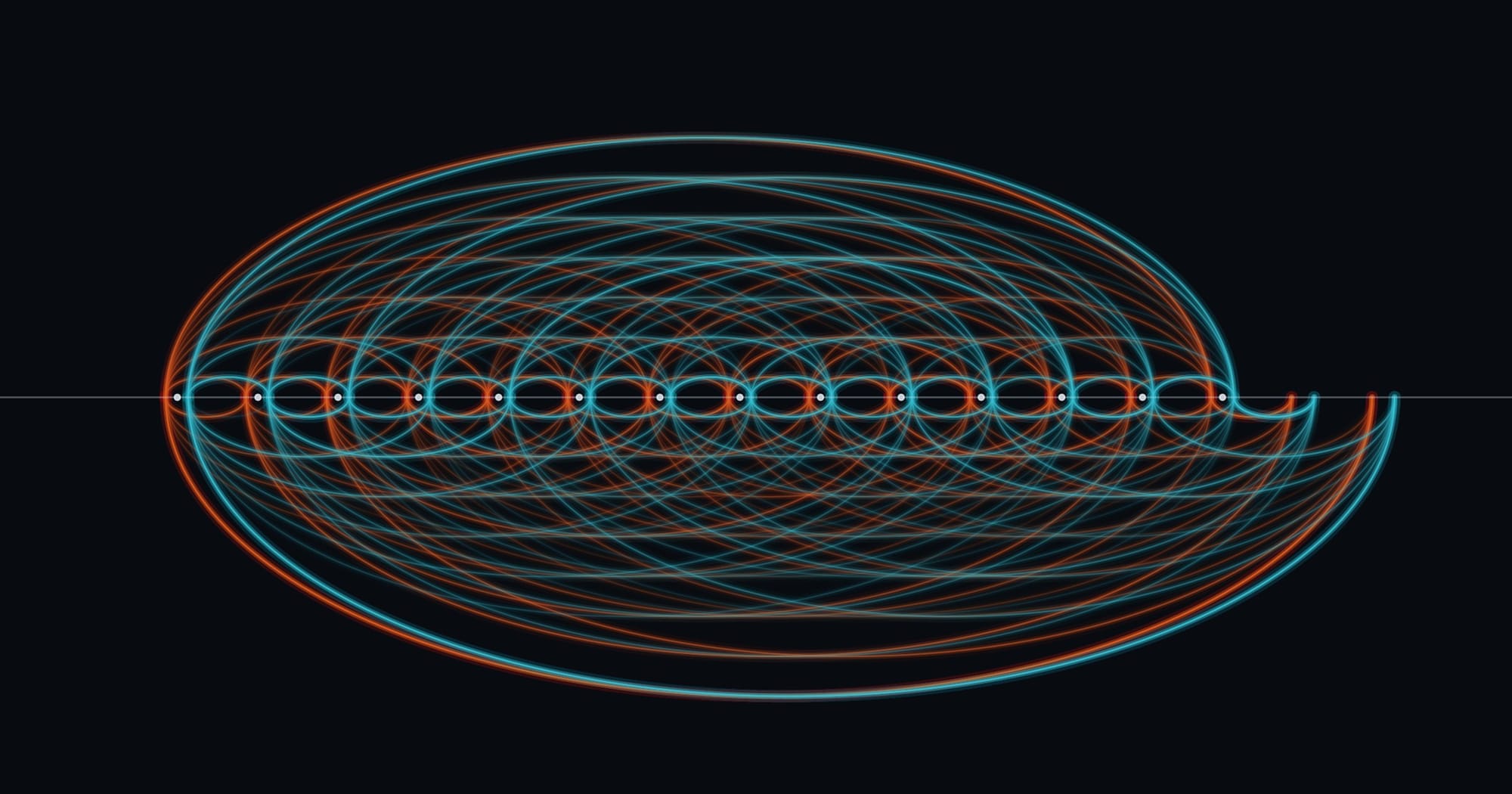
x 7,233 people, events, talks, recordings, organizations, projects, topics, and photo albums—connected by 14,246 relationships.
A conference page tells you what happened once. A community graph can tell you who was there, what they built, where the recording lives, which company they represented at the time, who interviewed them, and what came next.
That is the idea behind DevReal.ai: a living, explorable graph of the developers and developer advocates who make technology real.
The site begins with the communities we know best—By the Bay conferences and meetups, the FunctionalTV video archive, f.photo event photography, and the event announcements that used to live on the original DevReal Ghost blog. But it is designed to grow beyond any one organizer, channel, or archive. The people in the graph can claim their nodes, connect their own work, and help turn a historical index into shared community memory.
More than two thousand pieces of event history
The raw material was scattered across years and platforms.
The first archive pass went through more than two thousand historical event and session pages from the By the Bay universe: 1,580 cached Meetup source pages, hundreds of conference schedules and individual session pages, Sched archives, live conference sites, Wayback captures, Ghost posts, Luma listings, YouTube metadata, and photo albums. Some pages described one event. Some contained three talks. Some were cross-posts or announcements. Some referred to the same speaker under several names. A source page is evidence, not automatically a node.
After reconciliation and deduplication, the canonical By the Bay dataset contains:
- 1,170 talks, including 444 meetup talks and 726 conference talks;
- 952 speakers, each with a biography;
- 295 Meetup events and 14 conference editions;
- 571 companies and 317 projects;
- 9 long-running meetup and community groups;
- 3,328 canonical graph nodes joined by 4,683 relationships; and
- 666 talks matched to recordings from a 1,932-video FunctionalTV channel snapshot.
That work matters because archives are messy in meaningful ways. An affiliation in 2014 is not necessarily an affiliation in 2026. A YouTube upload date is not the date a talk happened. An event announcement is not evidence that every planned session occurred. An interview is not a conference talk. DevReal keeps those distinctions rather than flattening them into one spreadsheet.
What is in DevReal now
The living DevReal graph layers the By the Bay corpus together with the current FunctionalTV archive, event pages, community contributions, and f.photo. At launch it contains:
- 1,320 people—all with basic biographies;
- 486 events;
- 2,431 talks, 2,430 of them with abstracts;
- 1,937 video recordings from FunctionalTV;
- 176 f.photo albums—100 conference albums and 76 meetup albums;
- 567 companies and 310 projects;
- 6 curated topic nodes: AI agents, data infrastructure, developer relations, Graph AI, open source, and Python;
- 7,233 total nodes; and
- 14,246 relationships.
Talks and videos are deliberately separate nodes. The talk is the idea, the title, the abstract, the speakers, and the moment in the community. The video is one recording of it. That allows a talk to exist before a recording is found, an interview to connect to both interviewer and guest, and a recording to retain its original channel metadata while the canonical talk title is carefully reviewed.
The same applies to photographs. A gallery is not decorative metadata attached to an event; it is a node that can connect to the event, the people in the room, and eventually individual images of a speaker giving a particular talk.
Explore relationships, not result pages
Open the graph explorer and start with a person, event, talk, company, project, topic, video, or photo album. Clicking any visible node makes it the center and reveals its neighborhood. Depth controls let you look farther out within the current bounded graph. The From → To relationship lens isolates the shortest paths between kinds of things: people to projects, topics to videos, companies to talks, and many other combinations.
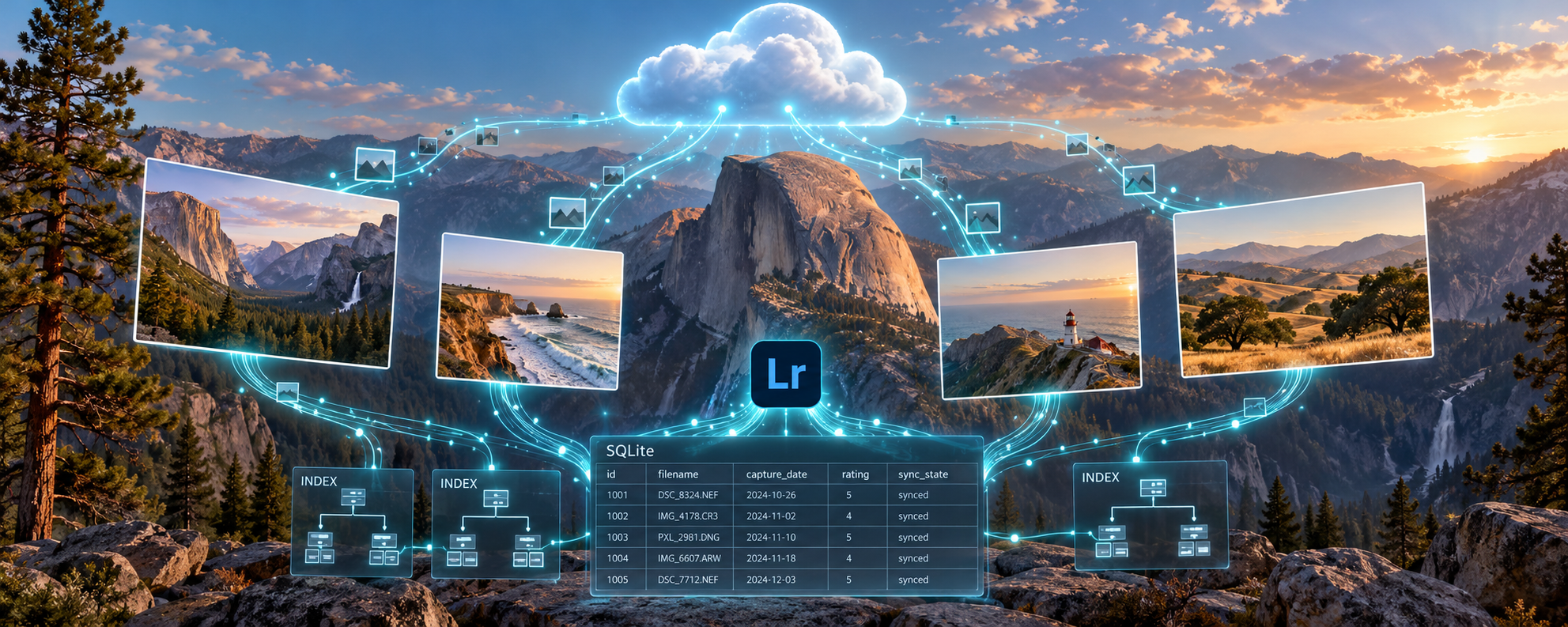
The graph does not download the entire corpus into your browser. The server returns a bounded neighborhood—up to 100 nodes and 250 edges—and the Grust graph engine, compiled to WebAssembly, performs the interactive traversal on that payload locally. The result stays fast enough to explore while the API remains deliberately resistant to bulk extraction.
Edges carry more than a yes-or-no connection. Their strength can reflect repeated evidence: several interviews between two people, multiple shared talks, work at the same company, or contributions to the same projects. The model will keep becoming richer as the community reviews it.
The graph exploration guide shows concrete combinations and explains what each control reveals.
Find yourself, then claim your node
If you have spoken, organized, interviewed someone, or appeared in the archive, you may already have a person node.
Sign in with LinkedIn to establish your DevReal account identity and request ownership of the matching person node. DevReal checks the selected record against the available identity and workplace evidence. When that evidence is not sufficient, the claim goes to an administrator for review instead of guessing. An approved person receives the small DevReal verification plaque and can maintain the work connected to that identity.
You can also connect GitHub from your profile. GitHub OAuth proves control of that GitHub account, imports the handle, and can strengthen a pending ownership review. It does not silently claim a person node. Company email, conference profiles, ORCID, video channels, slide profiles, and other public evidence can help resolve difficult cases—especially for speakers whose older talks belong to earlier companies.
Once approved, add your talks and recordings, connect them to events, projects, companies, topics, and galleries, and improve the biography and handles that help other developers find you.
Bay: the graph from the command line
DevReal also has a CLI. Bay is derived from Somme and follows the same rule throughout: every named long option has a short equivalent.
Bay can run bounded graph searches, inspect a known entity, create connected records, import a batch of YouTube talks, submit and monitor person claims, and make versioned event edits. Administrator workflows can preview and commit reconciled Luma event ingestion without treating any one partial source as complete.
bay graph -k talk -q wasm -l 25
bay entity show person:alexy-khrabrov
bay talk import https://youtu.be/VIDEO_ID -c event:EVENT_ID
bay claim add person:YOUR-NODE
Imports are idempotent by YouTube video ID. Event edits preserve prior snapshots and compute Levenshtein distance so unusually large changes can be reviewed. The API reports the weighted cost of each operation, the remaining allowance, reset time, tier, and request ID. Broad unfiltered listings are rejected; pagination is explicit; Bay never follows every cursor or downloads the corpus behind your back.
Bay 0.1.0 is currently installed from a source checkout rather than a public Homebrew or crates.io package. That distribution step is still ahead of us, but the complete command surface and man page already exist.
Provenance is a feature
Community data is personal data, even when it is public. DevReal therefore keeps original source URLs, reviewed source observations, immutable event versions, and account-level contribution provenance. It distinguishes a creator from the owner of a person node. Imports do not resurrect records that moderators have removed, and an omission from a partial feed is never interpreted as a deletion.
The graph is meant to be corrected by the people inside it without erasing how it got there.
Start with a real event
The first featured collection is Rust AI Begins: an introduction, ten compact technical sessions, and a speaker interview from the inaugural San Francisco Rust AI gathering. From one page you can move into the event node, its speakers, Rust projects, companies, FunctionalTV recordings, and the f.photo gallery.
That is the experience DevReal is built for. Not a list of content, but the community around it.
Explore the graph. Find your person node. Claim it. Then add the work—and the relationships—the community should not lose.
published with omnighost · SHA-256 d934534399280c6cade1a536260816f6b21289c0708da91a23876675281a0bfd